Economical air Conditioning
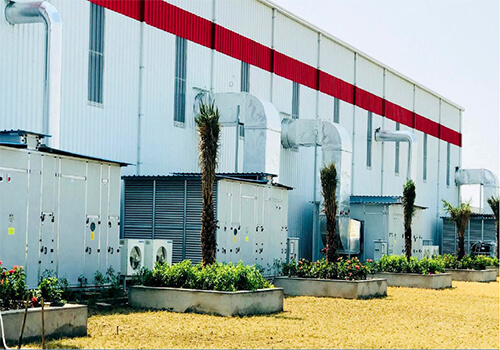
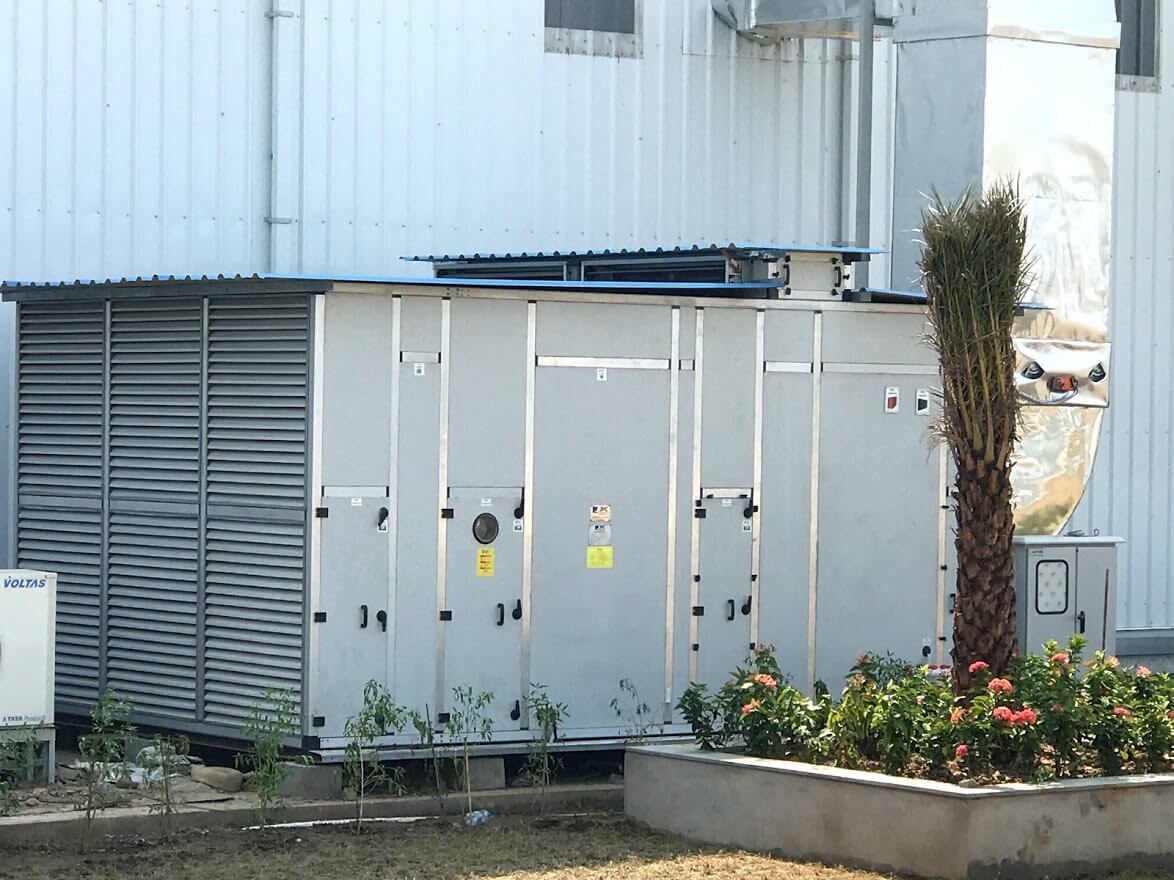
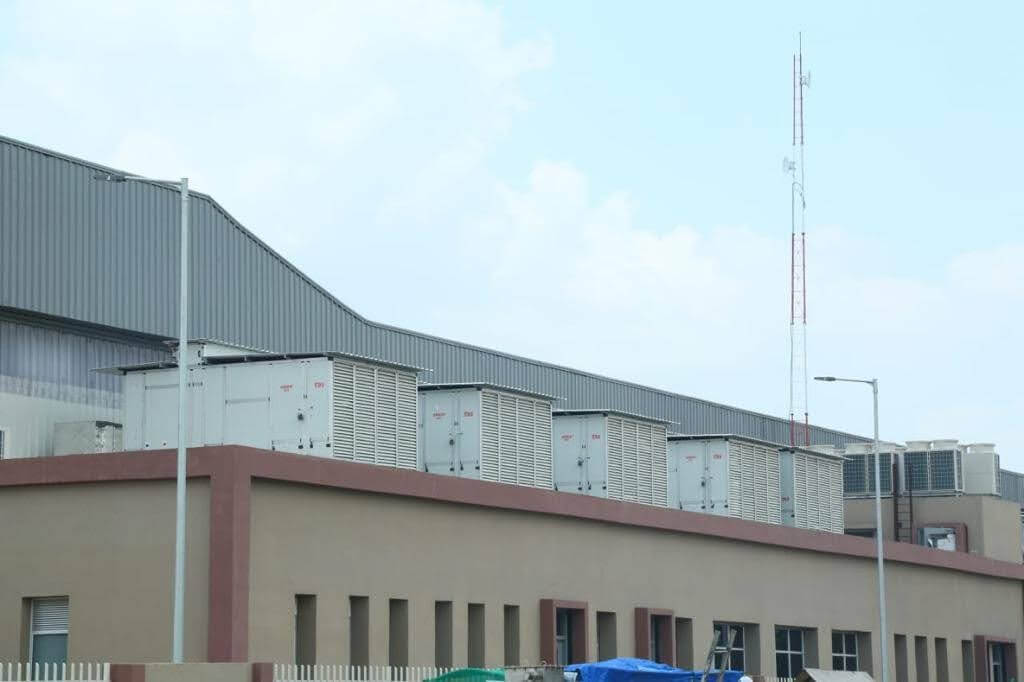
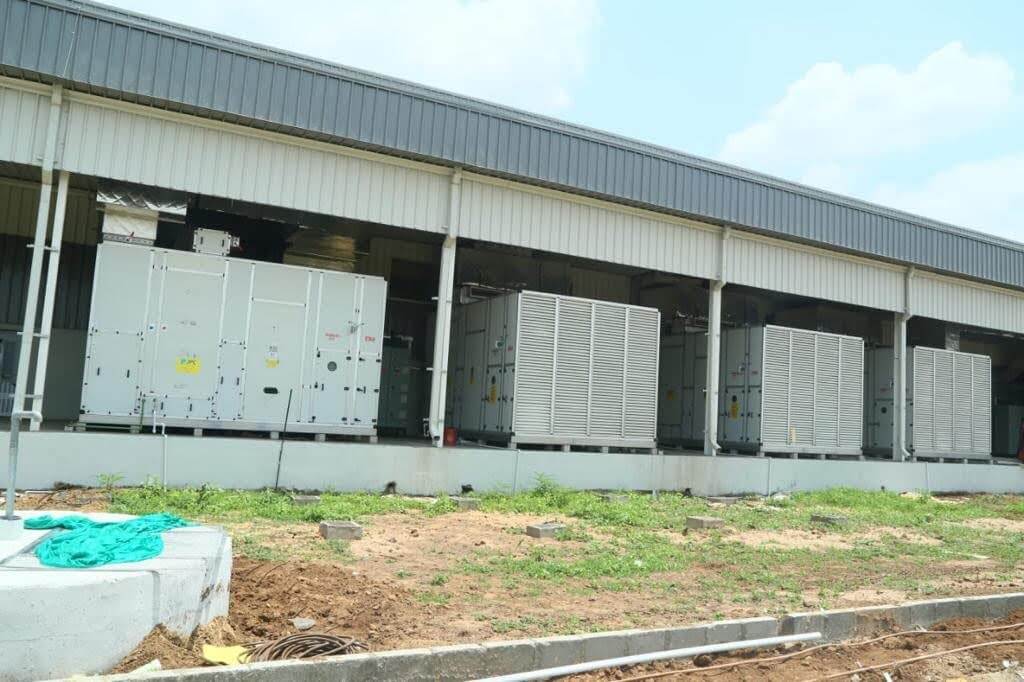
There are a total of 4 types of Airwashers that JPC air manufactures as given below:
1. Indirect Direct Evaporative Cooling Unit (IDEC) / Two-Stage Evaporative Cooling.
2. Indirect Evaporative Cooling unit.
3. Hybrid Evaporative Cooling Unit.
4. Single Stage Evaporative cooling unit.
Product Details
Indirect-direct /2 Stage Evaporative Cooling unit:
In the first stage of a two-stage cooler, warm air is pre-cooled indirectly without adding humidity (by passing inside a “JPC” Make heat exchanger that is cooled by evaporation on the outside). In the direct stage, the pre-cooled air passes through a water-soaked pad and picks up humidity as it cools.Since the air supply is pre-cooled in the first stage, less humidity is transferred in the direct stage, to reach the desired cooling temperatures. The result is cooler air with an RH between 50-70%, depending on the climate, compared to a traditional system that produces about 70–80% relative humidity in the conditioned air.
Indirect Evaporative Cooling unit:
In the first stage of an Indirect evaporative cooler, warm air is pre-cooled indirectly without adding humidity (by passing inside a “JPC” Make heat exchanger that is cooled by evaporation on the outside). Air is cooled without adding moisture in the air stream. The result is cooler air with an RH between 50-70%, depending on the climate, compared to a traditional system that produces about 70–80% relative humidity in the conditioned air.In the first stage of an Indirect evaporative cooler, warm air is pre-cooled indirectly without adding humidity (by passing inside a “JPC” Make heat exchanger that is cooled by evaporation on the outside). Air is cooled without adding moisture in the air stream. The result is cooler air with an RH between 50-70%, depending on the climate, compared to a traditional system that produces about 70–80% relative humidity in the conditioned air.
Hybrid Evaporative Cooling unit:
Direct or Indirect cooling has been combined with vapour-compression or absorption air conditioning to increase the overall efficiency and /or to reduce the temperature below the wet-bulb limit.
Single Stage Evaporative Cooling unit:
In Single-stage of evaporative cooling unit, Warm air is passed through Cellulose pads of 4 to 12 inches (100 mm to 300 mm) depth, which has a honeycomb design to make it more efficient. Air is cooled by evaporation technology when warm air and cool water comes in direct contact with each other. The temperature of air is reduced up to 10-15 degree centigrade depending on the RH and Ambient temperature by adding humidity up to 70-85 % RH.
Energy savings
Evaporative coolers use a supply fan and a fractional horsepower sump pump. They do not use an energy-intensive refrigerant compressor, so they require 70 to 80% less electricity to operate as compared to refrigerated cooling. Energy cost not spent on cooling electricity is available for other necessary expenditures and can continue to add savings to the owner/organizations’ budget and also provide greater energy independence for the society.
Less maintenance
Maintenance requirements for evaporative cooling systems are far simpler than for refrigerated air conditioning equipment. Refrigeration compressors, evaporators and condensers must operate under high pressures, which require specialized tools and qualified and experienced maintenance personnel. Evaporative Cooler users can maintain their peak cooling effectiveness without the need for costly and sometimes unavailable specialized maintenance resources. This translates into increased reliability and a consistent environment, one that is conducive to the improved comfort at in the residential and commercial spaces and offer enhanced employee performance and productivity in the industry due to comfortable indoor environment.
Life-cycle cost
The life-cycle cost of using evaporative cooling is less than a comparable refrigerated air unit. This includes all money values such as first cost, energy, water, time value of money and maintenance costs. All evaporative cooling based systems save water at the power plant. During hot summer, a coal-fired power plant using evaporative cooling towers will typically need about 4 litres per kWh. This quantity does not include the water needed to mine, process and deliver the coal used to generate the electricity. The amount of water used by a Direct Evaporative Cooler is stated in terms of litres of water/TR tons of cooling. On average 8 to 10 litres of water is used to provide approximately 1 Ton of cooling with Direct Evaporative Cooler. Advanced Indirect- Direct Evaporative Coolers use 35 to 40% less water to deliver the same amount of cooling.
No chemical refrigerants
Evaporative cooling does not directly use any chemical substances that are known to be detrimental to the earth’s ozone layer. This is unlike most of the Pre-2000 commercial refrigerants whose use is regulated in order to reduce their harmful impact on the ozone layer. Evaporative coolers do not operate under high-pressure conditions and do not require any expensive controlled substances for their operation.
Indirect evaporative Cooling
Indirect evaporative cooling is a sensible cooling process that uses evaporative cooling as the heat sink for removing sensible heat from the process air. These systems cool the primary air stream or process air stream with evaporatively cooled secondary air streams. Two streams are isolated from each other by means of a thin wall made of polymer or metal. Both air streams travel either opposite or at right angle to each other on a continuous basis. Water is evaporated in the secondary stream, which cools the air and subsequently the wall material. This saturated air is exhausted back to the ambient.
On the other side of the wall, the process air or primary air stream losses the heat to the cooled wall and becomes cooler but remains as dry as it was to start with because no moisture was added to this stream.
Advantages:
Here are some of the advantages of evaporative cooling systems.
- Low life-cycle cost.
- Improved indoor air quality.
- Sturdy Construction, can be used for years.
- Reduced peak electrical demand.
- Simple controls.
- Low-tech maintenance.
- Best fit for Dry climate locations.
- 40% less air quantity required to cool the same space.
- 40% reduction in ducting quantity.
- Considerably lesser moisture addition leading to enhanced comfort levels.
- Introduce 100% fresh Air.
- Windows and doors left open.
- 70% Less than the installation costs of air conditioning.
- 90% Less than the running costs of air conditioning.
- Increased cooling capacity as outside temperature rises.
- Full ventilation exhausts odours, germs.
Keeping the air at the right humidity level may help reduce asthma symptoms.
Non-Depleting Natural Resources Air & Water
The globe has a valuable natural resource in its characteristically dry climate and low humidity levels during hot summer months in many parts of the world. This means that many locations in these high-temperature zones can successfully use the evaporative effect to cool their residential, commercial and industrial buildings.
The comparatively low ambient air humidity levels which occur during normal working hours constitute a very significant natural resource for decreasing the amount of energy costs required for comfort cooling in commercial and industrial buildings. This is especially true when compared to the common cooling alternative of refrigerated air conditioning. Moreover, since ventilation is required almost all through the year in all buildings the fans used in the evaporative cooling systems can be used during mild weather to bring cooler outdoor air.
Many hot and dry locations in the world can afford to use this simple technology which is a natural resource that can be used to decrease power consumption and peak demand for electricity during hot summer months.
However, unlike other global resources such as extractable fuels, fertile land or tourism, the potential for evaporative cooling is non-depletable and readily available in the ambient air.
More advanced Two Stage Evaporative Cooling technology has the potential to displace costlier refrigerated cooling. The significance of using this evaporative cooling resource goes beyond the utility cost savings afforded by the user.
GHG Emissions
The energy savings of evaporative cooling translates into reduced carbon dioxide and other GHG emissions from power plants and decrease the peak electricity demand load that typically occurs during peak summer cooling hours. Many utility companies in the developed countries are actively promoting the use of evaporative cooling as Demand Side Management (DSM) measure, to decrease the requirement for new generation facilities.
Indoor Air Quality
Improved indoor air quality from evaporative air coolers is due to their use of 100% outside air rather than recirculated air. The outside air and humidity added to the room air by an evaporative cooler can improve comfort conditions in summer, flush out contaminants which are generated in the building and reduce the incidence of static electricity which can be detrimental to micro-electronics and protect sensitive electronic equipment from condensing humidity.
Evaporative Pads
These media are generally made of 8 to 12 inch (200-300-mm) thick Cellulose pad of Honey Comb construction with or without necessary chemical treatment and additives to increase wet ability and to prevent the growth of microorganisms. Evaporative pads are mounted in removable galvanized steel / stainless steel. Because evaporative pads require comparatively lower face velocities, in a self-contained direct evaporative cooler integrated with a fan, three sides of the fan cabinet are often mounted with evaporative pads to increase the surface area.
Indirect evaporative Cooling
In a two-stage evaporative cooling process, this sensibly cooled air can now be further cooled by adding a small amount of moisture. At location having a dry climate, the process stream can be cooled to as low as 15 Degree Centigrade without using any refrigerants or compressive refrigeration. The Indirect direct evaporative cooling process uses energy for moving the air and a small water circulation pump.
The power requirement of a conventional packed unit air conditioner was 4.93 and 3.85 KW for the interior and coastal areas, respectively, and only 1.11 KW power was needed by the indirect evaporative cooler to provide same cooling.”
That saves nearly 80% in terms of input energy compared to a conventional air conditioning system. That is what makes the Two-Stage Indirect Direct Evaporative Cooling Systems an excellent replacement for energy-guzzling refrigerative systems for air conditioning the enclosed space.